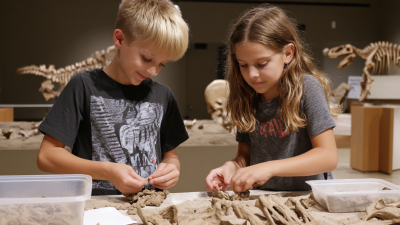
When it comes to getting kids excited about paleontology, Dinosaur Dig Kits are honestly a pretty awesome option. I mean, they let kids dig up real-looking dinosaur fossils and learn all about Earth's prehistoric giants—what's not to love? Dr. Emily Foss, who's an expert in children's education at Dino Discovery Co., once said, “Hands-on experiences ignite curiosity and joy in learning,” and she’s spot on. There's just something about actually digging into a kit that really sparks interest.
Now, choosing the right kit can be kinda overwhelming — there are so many options out there. Parents often struggle with finding one that’s both fun and educational. A good dinosaur dig kit should come with a variety of tools, realistic fossils that get kids excited, and easy-to-follow instructions. Oh, and don’t forget to think about the age range. Some kits might look super cool but end up being frustrating for younger kids if they aren’t age-appropriate.
In the end, these kits can really help foster a love for science and discovery — but you gotta pick wisely. Not every kit lives up to its hype. Taking a little extra time to choose something that truly fits your child's age and interests can make the whole experience much more memorable and exciting. After all, the process of discovery can be just as fun as the fossils themselves!
Dinosaur dig kits are engaging tools for young explorers. These kits often include toy fossils, excavation tools, and educational materials. Kids can mimic real paleontologists, digging through sand or clay to uncover hidden treasures. This hands-on experience can ignite their passion for science and history.
The educational benefits are significant. Children enhance their fine motor skills while using tools. Each dig teaches patience and perseverance, as finding a fossil takes time. As they work, kids can learn about different dinosaur species and their habitats. Some kits even come with guides, sparking curiosity and research.
However, not all kits are created equal. Some may lack essential tools or realistic fossils. It's important to choose a kit that balances fun with educational value. Parents might notice their children losing interest quickly if the kit is too easy or too hard. Reflecting on these experiences can lead to better choices in the future.
When choosing a dinosaur dig kit for kids, consider the quality of materials. The tools should be child-friendly and durable. Look for sturdy excavation tools that fit small hands well. Kits with soft brushes help clean off dust easily. This feature enhances the play experience.
Next, check for the diversity of dinosaur fossils included. A kit with a variety of fossils can spark curiosity and imagination. Different types mean different learning experiences. Kids can identify and learn about each dinosaur. Sometimes, just finding one piece can be thrilling.
Finally, pay attention to the instructional materials. Clear, engaging instructions are crucial. They guide kids in their excavation. Some kits even provide fun facts about dinosaurs. However, not all instructions are easy to follow. A bit of trial and error can lead to fun discoveries. Kids may feel frustrated, but it’s part of the learning process. Encouraging persistence can turn obstacles into enjoyable challenges.
When selecting a dinosaur dig kit, age appropriateness is crucial. Children show different interest levels at various ages. For toddlers, kits with larger dinosaur replicas are more suitable. They engage with the tactile experience without overwhelming frustration.
According to research from the American Association of Pediatrics, children aged 4-7 benefit most from hands-on learning. Kits designed for younger children often include simplified tools. This caters to their developing motor skills. Parents should look for kits that promote creativity and exploration.
Tips: If your child is under six, find kits with clear instructions. This helps avoid confusion. Encourage them to ask questions about dinosaurs. It sparks curiosity and engagement. For older kids, look for kits that offer a deeper dive into paleontology concepts.
Consider the educational value. Some kits have factual elements about dinosaur eras and species. This can enhance learning experiences. But be cautious; make sure the material is age-appropriate. Too complex can lead to frustration rather than fun.
When choosing dinosaur dig kits for kids, the types of tools included are crucial. Many kits offer various tools to enhance the excavation experience. Common tools found in these kits include chisels, brushes, and magnifying glasses. Each tool serves a unique purpose. For example, chisels help break through the plaster or clay, while brushes assist in cleaning the fossils without damage.
Research indicates that hands-on activities boost learning significantly. According to a report by the National Association for the Education of Young Children, 90% of children engage more when using tactile tools. Kids are not only digging but also developing fine motor skills and coordination. A well-designed kit allows them to use these tools effectively, which can lead to frustration if not intuitive enough. The right size tools matter too; oversized tools may hinder a child's ability to work accurately.
In addition to basic tools, some kits include educational resources. Informative booklets can greatly enhance the experience. However, the quality of these educational materials varies widely. Some may be simplistic or lack engaging content. It's worth looking for kits that not only provide tools but also stimulate curiosity and critical thinking.
| Kit Name | Price Range | Included Tools | Age Recommendation | Learning Focus |
|---|---|---|---|---|
| Dino Excavation Kit | $25 - $35 | Digging tools, brush, magnifying glass | 6+ | Paleontology basics |
| Fossil Hunter Set | $20 - $30 | Excavation tools, safety goggles | 7+ | Hands-on excavation |
| Prehistoric Adventure Kit | $35 - $45 | Hammer, chisel, brushes | 8+ | Dinosaur types |
| Dino Dig Discovery Set | $15 - $25 | Excavation tools, educational guide | 5+ | Interactive learning |
| Junior Fossil Excavation Kit | $30 - $40 | Digging utensils, fossil samples | 6+ | Fossil identification |
| Extreme Dino Dig Kit | $40 - $50 | Comprehensive tools set, guidebook | 9+ | Advanced excavation techniques |
| Dinosaur Fossil Digging Kit | $18 - $28 | Small tools, instruction manual | 4+ | Discovery and exploration |
| Complete Dino Adventure Set | $50 - $60 | Toolset, instructional DVD | 10+ | In-depth dinosaur study |
| Pocket Dino Dig Kit | $12 - $20 | Portable tools, mini fossils | 3+ | Compact exploration |
When exploring dig kits for kids, it's crucial to know the fossils included. Commonly featured dinosaur fossils can spark a child's imagination. Kits often contain the remains of Triceratops, T. rex, or Velociraptor. Each of these dinosaurs represents a unique part of our planet's history. The Triceratops, with its iconic frills, can teach kids about herbivores. In contrast, the fierce T. rex offers lessons on carnivorous behavior.
Tips: Encourage your child to research each dinosaur. Understanding their habitats and diets adds to the excitement. Engaging with the material can enhance their learning experience.
Additionally, look for kits that include real fossil replicas. This provides a tangible connection to the past. Some kits even suggest outdoor digging tips. Finding a safe spot in your yard can be fun. Remember, not every kit includes accurate fossil replicas. Knowing this can help you choose wisely.
Tips: Check reviews before purchasing. Other parents often share valuable insights. Being informed makes a big difference. Let your child lead the exploration, and follow their curiosity. It might be messy, but that's part of the adventure.
This chart represents the commonly featured dinosaur fossils found in various dig kits for kids. The data illustrates the popularity of different dinosaur fossils included in these kits, helping you to choose the best options for your young paleontologists.
When selecting a dinosaur dig kit for kids, safety should be a top priority. You want to ensure that all materials are non-toxic and child-safe. Check for any small parts that may pose a choking hazard. Kits designed for younger children should avoid sharp tools. Look for age-appropriate recommendations on packaging. This can help guide your choice.
Another important aspect is the quality of the materials included in the kit. High-quality excavation tools can enhance the experience. Kits should include sturdy brushes and safe chisel-like tools. Consider the type of digging medium used. Some less safe options may create dust or debris. Opt for kits that use sand or soft clay, which are easier for kids to manage. A mess is expected, but it shouldn’t be hazardous.
Finally, consider supervision requirements. Some kits may need adult help during the digging phase. This can help kids learn and stay safe. Engaging in this activity together promotes bonding and makes the experience enjoyable. Be prepared to make adjustments if needed, as enthusiasm may lead to some unexpected chaos.
When choosing a dinosaur dig kit, it's crucial to consider various customer reviews. Many parents highlight the importance of ease of use. Kits that are too complicated can frustrate kids. This can result in giving up instead of digging deeper into the fun. Simple kits often receive praise for keeping children engaged throughout the activity.
Children's enjoyment plays a significant role in the reviews. Some kids love the excitement of discovering dinosaur bones. Others found the digging tools challenging to handle. Parents report mixed feelings about messiness. Some appreciate the authentic experience, while others dread the cleanup. It’s vital to ponder whether a little mess is worth the joy of discovery.
Safety is another concern. Many parents mention the materials used in the kits. Reviews often stress that kits need to be non-toxic and child-safe. A handful of kits received criticism for having small parts. Parents need to be vigilant when it comes to younger children. These insights from others reveal the importance of balancing fun and safety.
Unveiling the mysteries of prehistoric life can be a thrilling and educational adventure for children, and the Science Mini Dinosaur Egg Skeleton Kits embody that excitement. These engaging DIY puzzle toys offer a hands-on exploration of archaeology, allowing kids to excavate miniature dinosaur skeletons from their egg-shaped mold. As children dig, they not only get to uncover fascinating skeletal structures reminiscent of ancient reptiles but also hone essential skills like patience, critical thinking, and fine motor abilities.
According to a report by the National Science Foundation, engaging in science-related activities from a young age fosters curiosity and encourages lifelong learning. The tactile experience of these excavation kits immerses children in the scientific method, sparking an interest in paleontology and the natural sciences. As children piece together the dinosaur skeletons, they develop problem-solving skills and an understanding of the complexity of life on Earth millions of years ago.
Additionally, research indicates that educational toys that combine play and learning significantly enhance cognitive development. By integrating these Science Mini Dinosaur Egg Skeleton Kits into their playtime, children can delve into the world of dinosaurs while cultivating an appreciation for science. This trend aligns with findings from the American Academy of Pediatrics, which emphasizes the importance of play in childhood development, making this innovative toy not just a source of entertainment but a vital educational tool as well.
: Consider your child’s age and interest. Choose kits with larger dinosaurs for toddlers. Older kids may enjoy more complex kits.
Children aged 4-7 enjoy hands-on activities. Kits for this age should include simple tools to support motor skill development.
Common tools are chisels, brushes, and magnifying glasses. Each tool serves a unique purpose in the excavation process.
High-quality booklets can enhance learning. Some kits have simplistic guides that may not engage your child effectively.
Kits often include fossils like Triceratops, T. rex, and Velociraptor. Each dinosaur teaches something different about history.
Encourage them to research dinosaurs. Understanding habitats and diets boosts engagement and excitement during play.
No, not every kit has accurate replicas. It’s wise to check reviews and do some research before purchasing.
Ensure tools are appropriately sized. Oversized tools may hinder accurate digging and lead to frustration.
Safety tips are crucial for outdoor digging. Finding a safe, designated area can turn an adventure into a fun learning experience.
Let your child take the lead. Follow their curiosity, even if it gets messy. It’s part of the fun and learning journey.
Dinosaur dig kits provide an exciting and educational experience for children, allowing them to uncover replica fossils while learning about paleontology and the prehistoric world. These kits not only spark curiosity and creativity but also enhance fine motor skills and scientific reasoning. When selecting the right dinosaur dig kit for kids, parents should consider key features such as the complexity of the excavation process, the type and quality of tools included, and the appropriateness of the kit for their child's age.
It's also important to examine the common dinosaur fossils featured in the kits and to pay attention to safety considerations, ensuring that all materials are non-toxic and age-appropriate. Customer reviews offer valuable insights, helping parents gauge the level of enjoyment and educational value derived from various kits. Overall, choosing the right dinosaur dig kit can provide a fun and enriching activity that blends play with education.