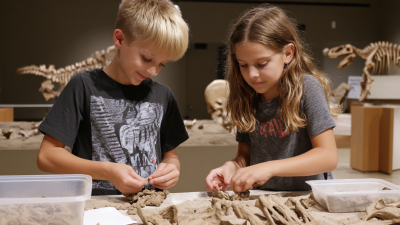
Archaeology toys play a vital role in stimulating children's curiosity about history. These toys can ignite a fascination with ancient cultures and artifacts. Dr. Emily Carter, a renowned expert in children's educational play, emphasizes, "Archaeology toys can transform a child's understanding of our past."
Engaging with these toys, kids can dig, explore, and discover. Each piece they uncover tells a story. This hands-on experience makes learning enjoyable. It's more than just play; it's about building foundational knowledge. Children grasp concepts of history, science, and culture through these interactive tools.
However, not all archaeology toys are created equal. Parents often face challenges when selecting the right ones. Some toys may oversimplify complex ideas. Others may lack educational value. Reflecting on these choices can help ensure kids truly benefit from their playtime adventures.
Introduction to Archaeology Toys: Bridging Fun and Learning
Archaeology toys offer a unique blend of fun and education, transforming playtime into learning experiences. These toys ignite curiosity about ancient cultures, civilizations, and the art of excavation. According to a report by the Toy Association, educational toys significantly contribute to cognitive development. They engage a child’s imagination and creativity while teaching them historical context.
Hands-on activities like digging for fossils or assembling ancient structures help develop fine motor skills. Children learn patience and perseverance through these tactile experiences. Research shows children who play with educational toys score higher in STEM-related subjects later in life. It’s a win-win scenario.
Tip: Set aside some time for guided play. Discuss what your children discover during their excavation. Ask questions about their findings, encouraging critical thinking.
However, not all children respond well to the same type of play. Some may feel frustrated with too complex toys. It's essential to choose age-appropriate kits. They should balance challenge and enjoyment. Another tip: Rotate toys to maintain interest and continue fostering learning. This can provide fresh perspectives and prevent boredom.
Criteria for Selecting the Best Archaeology Toys for Kids
Choosing the right archaeology toys for kids can be a fun yet challenging task. The toys should inspire curiosity and creativity. Look for kits that resemble real archaeological digs. Kids love the thrill of discovery. A good toy should allow them to dig, brush, and uncover hidden treasures.
Educational value is crucial. Toys that teach about history, cultures, and ancient civilizations are ideal. Kids should learn as they play. Check if the toys come with manuals or guides. These resources help children understand what they are finding. Encourage them to think critically about their discoveries.
Consider the age appropriateness of each toy. Some items may be too complex for younger children. Also, safety is important. Ensure that materials are non-toxic and suitable for kids. Kids often need supervision during play. Parents should engage and join the fun. This not only enhances learning but also strengthens bonds. It’s important to reflect on how these toys shape their understanding of the past.
Top 10 Archaeology Toys: Overview and Highlights
When exploring archaeology toys, you want options that educate and entertain. Many toys let kids dig up fossils or construct archaeological sites. This hands-on play fosters curiosity. Children not only learn about history but also develop fine motor skills.
Many toys come with tools that mimic real archaeologists. Small picks and brushes fit children’s hands well. The designs are often colorful, drawing in young explorers. Look for sets that include exciting elements like hidden treasures or dinosaur bones. This makes the activity thrilling and interactive.
**Tips:** Encourage kids to share their findings with friends. It's a fun way to learn together. Create a small excavation site in the backyard. Kids will feel like real archaeologists. Offer to help them document their discoveries. It can be a fun bonding experience while they learn.
Detailed Review of Each Toy: Features and Benefits
Archaeology toys can inspire curiosity in young minds. They help kids explore history through engaging play. Each toy often comes with unique features that promote learning and creativity. For instance, some kits let children dig for fossils. Others simulate ancient artifact discoveries, providing a mini excavation experience.
Many toys are designed with educational materials. They include guides on dinosaurs, ancient civilizations, or real excavation methods. Kids learn while having fun, which is essential for effective education. The tactile experience of digging can enhance motor skills too. However, some toys may require adult supervision, especially with tools. That's something to consider before playtime begins.
Parents occasionally find that certain sets lack detailed instructions. It can lead to confusion and unintentional mistakes during play. Additionally, some toys might not hold up well after multiple uses. It's essential to reflect on the durability of each item. These challenges do not overshadow the educational value they provide. They inspire creativity and a love for history. Children often develop a lasting interest through such interactive experiences.
Educational Value: How These Toys Enhance Learning
Archaeology toys captivate children's imaginations while enhancing their learning experience. These toys encourage kids to explore history, develop critical thinking skills, and foster a love for discovery. Engaging with these toys can spark curiosity about ancient civilizations, fossils, and cultural artifacts.
Kids can dig, sort, and analyze their findings, promoting hands-on learning. As they piece together stories from the past, they develop problem-solving skills. The excitement of uncovering hidden treasures adds a layer of fun to education. It’s important to provide guidance and encourage questions, though. Some children may feel discouraged if they cannot find anything quickly.
Tips for parents: Create a dedicated play space for archaeology-themed activities. This helps children focus and immerse themselves in the experience. Incorporate discussions about what they find. Ask questions like, “What do you think this artifact tells us?” This promotes deeper thinking. Keep track of their thoughts and observations. Reflecting on their discoveries can enhance retention and understanding.
Safety Considerations in Archaeology Toys for Children
When choosing archaeology toys for kids, safety should be a top priority. Many toys contain small parts that could pose choking hazards. It's essential to look for toys made from non-toxic materials. Always check for safety certifications. These ensure that the toys meet safety standards. Even seemingly harmless materials can sometimes contain harmful chemicals.
Tips: Always supervise young children during playtime. Explain the importance of handling toys carefully. Additionally, check the age recommendations on packaging. This can help you avoid toys that may not be suitable for younger kids.
Another consideration is the toys' durability. Some items can break easily, leading to sharp edges or small pieces. Look for robust designs that can withstand rough play. This not only enhances safety but also makes for longer-lasting enjoyment.
Even with the best intentions, mistakes can happen. Sometimes, parents might overlook broken toys or ignore worn-down pieces. Regularly inspecting toys can prevent accidents. Kids may not realize the risks, so it’s essential to teach them about safety in play.
Tips for Parents: Maximizing the Play Experience with Archaeology Toys
Engaging children with archaeology toys can spark their curiosity. According to a report by the National Association for Education of Young Children, play is critical for a child’s development. Archaeology toys allow kids to explore history hands-on. They dig, brush, and discover artifacts, making learning enjoyable and interactive.
To maximize the play experience, parents should encourage imaginative play scenarios. Role-playing as a paleontologist or historian can deepen the educational aspect. The American Psychological Association highlights the importance of social interaction during play. This allows children to collaborate and share findings, enhancing critical thinking skills.
However, some kids may feel overwhelmed with complex toys. Selecting kits tailored to their age group is essential. Not all kids grasp subtle instructions. Hands-on activities should promote exploration, not frustration. Keep a close eye on their engagement levels. Adjusting the difficulty can foster a positive learning environment, making history come alive in their eyes.
Conclusion
This article explores the exciting world of archaeology toys for kids, emphasizing their dual role as both fun and educational tools. It begins with an introduction to how these toys can bridge learning with play, preparing young minds to explore the past. The criteria for selecting the best archaeology toys focus on factors such as educational value, safety, and engagement.
The top ten archaeology toys are highlighted, with detailed reviews discussing their features and benefits. These toys not only enhance children's learning about history and science but also promote critical thinking and creativity. Additionally, the article provides safety considerations to ensure a worry-free play experience. Parents are offered tips to maximize the educational potential of archaeology toys, reinforcing that playtime can be a impactful learning experience.