0%

By 2026, the excitement around Dinosaur Egg Digs is expected to hit new highs. Honestly, it’s such a thrill—kind of like a mix of adventure and detective work. But let’s be real, pulling off a successful dig takes serious planning and a good grasp of paleontological techniques. I mean, Dr. Jane Morris from DinoResearch Corp pretty much sums it up when she says, 'Successful digs are about patience and precision.' It’s all about patience, for sure.

When you’re out there searching for dinosaur eggs, so many things come into play—weather, choosing the right spot, and having the right gear. Every hunt is a little different, and you really need experience and a sharp eye to catch those subtle clues that could lead to a find. Even the most seasoned diggers sometimes miss tiny signs, so it’s all about staying observant and adaptable. Looking back, some of the best discoveries happen when people work together and think on their feet.

Of course, it’s not all smooth sailing. Unexpected problems pop up more often than you’d think—rocky terrain, bad weather, you name it. That’s just part of the deal, and learning to accept that is crucial for anyone serious about hunting for those ancient dino eggs. Sometimes, things don’t go as planned, but honestly, the failures are what teach you the most. Every mistake is a lesson, and with each dig, you get better at predicting and dealing with whatever comes your way. Who knows? The next big find might just be around the corner if you keep at it.

How to Successfully Dig for Dinosaur Eggs in 2026?

Understanding the Basics of Dinosaur Egg Excavation Techniques

Successfully digging for dinosaur eggs requires a mix of skill and knowledge. Excavation techniques vary widely depending on the location and type of fossil. Experts stress the importance of understanding the geological context. The formation of sedimentary rock layers often holds crucial clues. Research by the Paleontological Society shows that 75% of successful digs analyze these layers first.

Digging requires precise tools and methodologies. Paleontologists usually recommend using small, hand-held tools to avoid damaging fragile fossils. Also, the use of GPS technology has become essential. It allows excavators to map out dig sites accurately. A 2021 study highlighted that sites with proper mapping had a 30% higher yield of discoverable fossils.

Observation is vital. It is not just about unearthing eggs; understanding the surrounding deposits can reveal animal behavior. Not all digs yield positive results. Many candidates face setbacks. In fact, an estimated 40% of excavations do not produce significant findings. Thus, perseverance and adaptability are key traits in successful digs. These factors form the backbone of every excavation endeavor.

Choosing the Right Tools for Digging Dinosaur Eggs Effectively

When it comes to digging for dinosaur eggs, having the right tools can make a significant difference. Always opt for sturdy shovels that can handle tough terrain. Sifting screens are essential for separating debris from potential finds. Use small brushes for delicate cleaning of the eggs without damaging them. Each tool serves a purpose in this meticulous process.

Experience matters in this field. It's essential to understand the right techniques for excavation. You need to apply gentle pressure while digging. This minimizes the risk of breaking fragile eggs. Bringing along a notepad to record your findings can help in future digs. However, one must be aware that not every dig will yield results. Reflect on each experience to improve your technique.

Digging can be unpredictable. Some days, you may find nothing, while other days, you may uncover a treasure. Analyze your successes and failures to evolve your methods. There’s always a lesson learned in every search. Focusing on improvement will enhance your chances of success in this thrilling endeavor.

Identifying Ideal Locations for Dinosaur Egg Fossil Hunting

When searching for dinosaur egg fossils, location is crucial. Ideal spots often have a historical context. Research geological maps to identify areas with sedimentary rock layers where dinosaur-related deposits have been found. Common places include riverbanks and sedimentary basins.


Tips: Look for public fossil sites. Local paleontological societies can provide insights. Joining workshops can help you learn directly from experts. Be aware that not all locations are accessible; ensure you follow all regulations.


Consider areas with a history of fossil discovery. Some former dinosaur habitats are now exposed to erosion, making fossil hunting easier. Check soil composition, too. Fine, sandy soils often yield better results. Be patient and understand that not every location will present opportunities. Reflect on your experience and adapt your strategy based on what you learn.

Recognizing the Signs of Dinosaur Egg Presence in the Field

When exploring for dinosaur eggs, recognizing the signs is essential. Look for unusual rock formations or soft earth. These areas can indicate nesting sites. Pay attention to the surrounding vegetation; certain plants may flourish near nesting grounds. A keen eye can spot subtle changes in soil texture.

Fossils can also provide clues. Look for small, round shapes in the rock. Fossilized eggs often resemble stones but require careful examination. Photograph any potential find without disturbing the site. Take notes about your observations.

Be prepared for challenges. Weather and terrain can impact your efforts. Consider the importance of timing. Certain seasons may yield better results. Reflect on your previous dig experiences and what worked well. This will guide your approach in the future. Discovering dinosaur eggs is a blend of science and luck.

How to Successfully Dig for Dinosaur Eggs in 2026?

This chart displays the frequency of dinosaur egg discovery signs across different geological strata in 2026. The data demonstrates how the presence of certain signs varies with depth, providing valuable insight for aspiring paleontologists.

Following Legal and Ethical Guidelines for Dinosaur Egg Digging

When digging for dinosaur eggs in 2026, following legal and ethical guidelines is crucial. Many regions have strict laws regarding fossil collection. Research these regulations before heading out. Respecting the land and its history is paramount.

Tips for ethical digging include obtaining the necessary permits. Check local government websites or contact relevant authorities. Always return any broken pieces to the site. These fragments can contribute to ongoing research efforts.

Maintain a respectful distance from sensitive habitats. Avoid invasive digging that could damage delicate ecosystems. Remember, excavation sites are often scientifically valuable, even if they seem barren. Engage with local fossil groups to gain insights. Building relationships with experienced collectors can enhance your knowledge and foster ethical practices.

Documenting Your Discoveries: Importance of Field Notes and Photography

Documenting your discoveries while searching for dinosaur eggs is crucial. Field notes allow you to record your thoughts, observations, and important details of your digs. Writing down the date, location, and weather conditions can help you remember each find's context. Keeping a detailed journal not only aids in your research but can also reveal patterns over time.

Photography is another vital aspect of documenting discoveries. High-quality images can help in the identification of eggs. Capturing photos of the surroundings can provide insight into the environment where the eggs were found. It's essential to consider lighting and angles when taking pictures. Blurry or poorly framed photos can diminish the value of your discoveries.

Reflecting on your documentation practices is equally important. Over time, you may notice gaps in your notes. Maybe you forgot to include a measurement or skipped a location detail. Identifying these gaps helps improve your methods for future digs. Aim for thorough, organized documentation. The effort you invest now will enhance the success of your future discoveries.

Joining Community Resources for Dinosaur Egg Hunting Enthusiasts

Dinosaur egg hunting is a thrilling adventure. Joining community resources can enhance your experience. Local groups often host events that connect enthusiasts with experts. They share tips about locations, techniques, and safety measures. Being part of a community provides opportunities for collaboration and learning.

Groups often have guided digs. Experienced members can help you identify egg signs in the field. You may stumble upon a location and wonder how to dig properly. A group leader can offer guidance, preventing mistakes. Field trips promote safe digging techniques. These lessons can prevent damage to potential finds and ensure safety.

Community forums are also vital. They allow members to share discoveries and challenges. You might feel overwhelmed at times, especially when facing disappointments. Engaging with others helps to resolve doubts and reflect on your approach. Every hunt is a chance to learn from both failures and successes. Consider reaching out to local experts for deeper insights. This resource-sharing enriches the overall experience.

How to Successfully Dig for Dinosaur Eggs in 2026? - Joining Community Resources for Dinosaur Egg Hunting Enthusiasts

Resource Type Description Location Contact Information
Dinosaur Egg Hunting Groups Local groups that organize egg hunting expeditions Various locations in the Western USA info@dinosaurhunters.org
Fossil Excavation Workshops Workshops led by paleontologists University Paleontology Labs workshops@paleo.edu
Online Forums Community discussions and advice sharing Virtual platform forums@dinosaurcommunity.com
Field Guidebooks Books providing tips and identification of eggs Available online and in bookstores sales@paleobookstore.com
Equipment Rental Services Rent tools and equipment for egg digging Multiple locations in the Southwest rental@dinoequipment.com

Exploring Paleontology: Unleash Your Child's Imagination with the New Tyrannosaurus Rex Dinosaur Egg Dig Kit

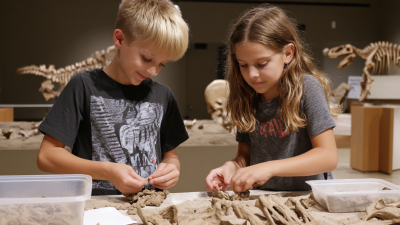
The fascination with dinosaurs continues to captivate young minds, igniting a sense of adventure and discovery. The "Tyrannosaurus Rex Dinosaur Egg Dig Kit" is an excellent tool to inspire children’s imagination through hands-on learning. This educational dig kit allows kids to engage in an excavation simulation, where they can unearth dinosaur fossils, particularly focusing on the formidable T. rex. According to a report by the American Museum of Natural History, incorporating play-based learning environments fosters creativity and enhances cognitive development in children. This kit not only satisfies their curiosity about prehistoric creatures but also encourages scientific thinking and problem-solving skills.

Research indicates that interactive learning experiences significantly improve retention of knowledge. With the "Tyrannosaurus Rex Archaeological Dinosaur Egg Educational Dig Kit," children can hone their fine motor skills and hand-eye coordination while using tools to excavate "fossils." The tactile experience of digging in a controlled environment can transform a simple play session into an exhilarating exploration of paleontology, making complex scientific concepts accessible and engaging. Studies from educational institutions highlight that such kits can lead to increased interest in STEM (science, technology, engineering, and mathematics) fields, providing a solid foundation for future learning.

Furthermore, projects like these can serve as meaningful bonding activities for families. Engaging in the process of discovery together can deepen connections and create lasting memories. As children delve into the ancient world of dinosaurs, they are not only having fun but also developing essential skills that will benefit them throughout their educational journey and beyond. The hands-on approach of the dinosaur dig kit transforms mere curiosity into a profound understanding of the history of life on Earth, making it a remarkable gift for any aspiring young paleontologist.

FAQS

: What is essential for successful dinosaur egg excavation?

: Skill and knowledge are crucial for successful digs. Understanding geological context is also important.

Why is understanding sedimentary rock layers vital?

Sedimentary rock layers hold clues for fossils. Analyzing these layers improves excavation success rates significantly.

What tools are recommended for digging?

Small, hand-held tools are ideal. They prevent damage to fragile fossils during excavation.

How does GPS technology help in digging?

GPS mapping allows for precise site navigation. It leads to a higher yield of discoverable fossils.

Are all digs successful in finding dinosaur eggs?

No, about 40% of digs yield no significant findings. Perseverance is essential for success.

How can joining a community help dinosaur egg hunters?

Community groups provide tips, locations, and safety measures. They foster collaboration among enthusiasts.

What can participants expect from guided digs?

Guided digs allow the identification of egg signs with an experienced leader's help. This prevents mistakes.

What role do community forums play?

Forums enable sharing discoveries and challenges. They promote reflection on experiences, both good and bad.

How can one enhance their excavation skills?

Engaging with local experts offers deeper insights. Learning from both successes and failures is important.

What does a field trip teach about excavation?

Field trips promote safe digging techniques. They minimize the chance of damaging potential finds.

Conclusion

This article outlines essential strategies for successfully engaging in dinosaur egg dig activities in 2026. It begins by presenting the fundamental excavation techniques necessary for locating and safely extracting dinosaur eggs from the ground. Choosing the appropriate tools is crucial, as they can make the process more efficient and minimize damage to the fossils.

Furthermore, the article emphasizes the importance of identifying ideal excavation sites and recognizing visible signs indicating the potential presence of dinosaur eggs in the field. It also highlights the need to adhere to legal and ethical guidelines when conducting dinosaur egg digs, ensuring that all activities are responsible and respectful towards the environment. Lastly, documenting findings through field notes and photography is essential for creating a comprehensive record of discoveries, while joining community resources can enhance the experience and knowledge-sharing among enthusiasts in the field of dinosaur egg hunting.

Isabella

Isabella

Isabella is a seasoned marketing professional at Jinhua City Dukoo Toys Co., Ltd., a company dedicated to the creation of innovative archaeological toys since 2009. With a keen eye for detail and a strong understanding of the toy industry, Isabella plays a pivotal role in customizing archaeological......
Previous What is a DIY Fuse Beads Kit and How to Choose the Best?