
In today's super busy world, dealing with stress is more important than ever if we want to stay mentally healthy. I read somewhere that almost 80% of adults deal with stress on a pretty regular basis—that really puts things into perspective, doesn’t it? That's why it’s so helpful to have some good ways to cope. One cool idea that's been gaining popularity is called 'Stress Relief Craft.' Basically, these are fun activities that help you relax and also boost your creativity, giving you a chance to express yourself and just chill out for a bit.
Dr. Sarah Fletcher, who’s pretty well-known in the stress management world, says, ‘Crafting doesn’t just calm your mind; it also helps build emotional strength.’ Her studies show that doing creative stuff can shift your focus and actually lower feelings of anxiety. Simple crafts like knitting, painting, or even DIY projects can really be a calming break from all the chaos, encouraging mindfulness and personal expression.
And the science backs it up—research suggests that activities like these can actually lower cortisol, you know, the hormone that’s linked to stress. Crafting as a form of therapy isn’t just some passing craze; it’s backed by science and personal stories alike. It makes us think about how we handle stress day to day. Tapping into our creativity might just help us lead more peaceful, centered lives, don’t you think?

Understanding the Connection Between Crafting and Stress Relief

Crafting has become a popular method for relieving stress. Engaging in hands-on creative activities allows individuals to immerse themselves in a world of colors and textures. This process can provide a strong sense of focus, making worries feel distant. Simple acts like painting or knitting create a pleasurable distraction, pulling attention away from daily stresses.
Research indicates that crafting activates the brain’s reward system. When you create something, even a simple craft, it releases endorphins. These “feel-good” hormones can elevate mood levels. As you work on a project, your mind often enters a state of flow. This mental state encourages mindfulness, where every stitch or brushstroke requires your focus. However, it’s important to remember that not every craft will inspire joy. Frustration may arise if expectations are too high. Embracing imperfection can lead to greater satisfaction.
The tangible results of crafting also offer a sense of accomplishment. Completing a project, regardless of the outcome, fosters a sense of pride. It encourages reflection on creativity and personal growth. Crafting invites individuals to explore their emotions, often revealing complex thoughts. This journey through creativity ultimately leads to a calmer mind and a happier heart.

Exploring STEM Education Benefits: The Impact of Craft Activity Kits like the New Design High Quality Dig Ocean Discovery Treasure Kit on Girls’ Learning and Development
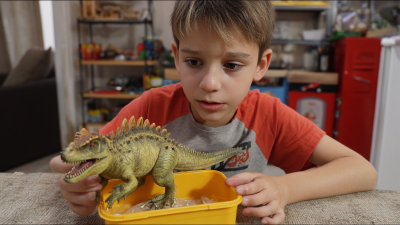
Craft activity kits, such as those focused on archaeological excavation, play a vital role in STEM education, particularly for young girls. Research indicates that hands-on learning experiences can significantly enhance cognitive development and foster a deeper understanding of scientific principles. For example, engaging in activities that involve the excavation of ocean-themed items not only sparks curiosity but also provides practical lessons in geology and marine biology. According to a study published in the International Journal of STEM Education, such interactive learning experiences can improve problem-solving skills by up to 20% in children aged 6 to 12.
The Environmental Protection Agency highlights the importance of using environmentally friendly materials in educational products. The dig kits made with non-toxic plaster and TPR plastic are designed to be safe and sustainable, encouraging parents to choose eco-friendly options for their children. By incorporating these materials, children can learn about the environment while enjoying the thrill of discovery. Furthermore, the process of cleaning and assembling the excavated sea creatures promotes fine motor skills, which are crucial for young learners. Studies show that children who engage in activities that enhance their dexterity are more likely to excel in future academic pursuits.
Moreover, crafting activities have been linked to improved emotional well-being in children. As they navigate the challenges of digging and assembling, they build resilience and confidence in their abilities. This kind of constructive play not only fosters a sense of achievement but also supports memory enhancement, as children recall their experiences and the knowledge gained during the process. With these substantial benefits, craft activity kits emerge as powerful tools in bridging the gender gap in STEM fields, encouraging girls to engage in science and develop a passion for discovery.

FAQS
: Try making origami with a square paper. Each fold requires focus and relaxation.
Painting rocks allows for creative expression and brings nature into the process.
Embrace mistakes; they add character to your work and encourage personal growth.
Crafting in groups promotes social interaction and fosters a sense of community.
Yes, conflicts may arise from differing ideas or skill levels among participants.
They can enhance feelings of belonging and improve overall mood.
Research indicates creative arts can lead to reduced anxiety and improved mental health.
Approach activities with openness and flexibility to handle challenges effectively.
Activities like painting, knitting, and pottery are great for group collaboration.
Yes, personal crafting can be a soothing way to relieve stress and focus your mind.
Conclusion
Crafting has been widely recognized as an effective way to achieve stress relief, providing both a creative outlet and a calming activity. This article explores the significant connection between crafting and stress relief, highlighting popular materials suitable for a variety of projects that can soothe the mind. Beginner-friendly craft ideas are provided with easy step-by-step instructions, enabling even novices to embark on their stress relief craft journey.
In addition, techniques for mindful crafting are discussed, which can further enhance relaxation during the creative process. The article also suggests innovative ways to incorporate nature into crafting, fostering a sense of tranquility. Moreover, engaging in group crafting activities can serve as a powerful tool for social stress relief by building connections with others. Finally, tips are offered for creating an inviting crafting space at home, ensuring that your environment contributes to your relaxation and creativity.
Related Posts
-

How to Choose the Best Stem Science Kits for Kids?
-

China Top 10 Handmade Crafts Driving Global Procurement Trends?
-

Top 10 Dinosaur Dig Kits for Kids That Make Learning Fun and Exciting
-

Ultimate Guide to Sourcing Multi-Player Dig Adventure Games for Global Markets
-

Unlocking Curiosity: How Stem Science Kits Inspire Young Innovators to Explore the World
-
How to Unlock the Secrets of Fossil Discovery Toy for Young Explorers
