0%

Gem digging is honestly such an exciting adventure—something that a lot of folks dream of trying at least once. There’s just something about digging through the earth, searching for hidden treasures, that’s both super thrilling and honestly pretty rewarding. Whether you’re just starting out or you’ve been at it for years, knowing the basics is pretty much a must.

If you’re thinking of kicking off your gem hunting journey, a good first step is to do a bit of homework on local spots that are known for gemstones. Places famous for sapphires, rubies, or other shiny, valuable stones are usually worth checking out. Oh, and make sure you have the right gear—stuff like a shovel, a pick, and a bucket—that stuff’s essential. Some locations even offer guided tours, which can be a real help if you want to maximize your chances of finding something cool.

Just a heads up, though—don’t expect every trip to be a jackpot. Sometimes you might just come away with a handful of rocks, and that’s okay. Honestly, the experience itself—learning, exploring, and just having fun—is just as important as finding gems. Every trip teaches you something new and helps you get better at it. And if you can connect with other folks who love gem hunting, that can make the whole thing even more fun. Joining local groups or clubs can give you tips, good company, and a whole lot of camaraderie. So, yeah—happy gem digging, and don’t forget to enjoy the journey!

How to Start Gem Digging and Find Precious Stones?

Understanding Gem Digging: A Beginner's Overview

Gem digging can be an exciting adventure. Many people are drawn to the idea of unearthing beautiful stones. Understanding where to start is crucial. Gem digging often takes place in locations rich in minerals. Research is vital before venturing out. Look for areas known for gem deposits. Local guides can provide valuable insights.

As a beginner, bring basic tools. A shovel and a bucket are essential. A small pick can help break tougher ground. Remember to dress appropriately for outdoor conditions. Wear sturdy shoes and bring water. The process can be tiring but rewarding. It often involves digging and sifting through dirt. Finding even a small stone can bring great joy.

Expect challenges along the way. You might not find anything on your first try. Patience is key in this pursuit. Each location has its own secrets, often hidden. Reflect on your experience and learn from it. Enjoy the journey more than the destination. Discovering the world beneath our feet can be a fulfilling endeavor.

How to Start Gem Digging and Find Precious Stones? - Understanding Gem Digging: A Beginner's Overview

Gem Type Common Locations Value (USD per carat) Best Time to Dig
Amethyst Brazil, Uruguay, South Africa 20-50 Spring, Summer
Emerald Colombia, Zambia, Brazil 200-600 Late Spring
Sapphire Australia, Madagascar, Thailand 100-300 Fall
Ruby Myanmar, Thailand, Sri Lanka 300-700 Summer
Opal Australia, Mexico, Ethiopia 50-150 Winter
Topaz Brazil, Russia, UK 20-100 Year-round
Garnet India, Tanzania, USA 10-60 Spring, Summer

Essential Tools and Equipment for Gem Digging

Gem digging can be an exciting pursuit, but having the right tools is essential. Basic equipment includes a shovel, pickaxe, and a bucket. These tools help in breaking ground and collecting samples. According to a recent industry survey by the Gemological Institute, about 70% of successful diggers agree that quality tools significantly improve their chances of finding valuable stones.

Always remember to wear protective gear. Sturdy gloves and boots are necessary for safety. A magnifying glass can help in inspecting stones more closely. Many novice diggers overlook the importance of storage containers. Using proper bags or boxes prevents damage to delicate finds. Reports indicate that nearly 50% of new diggers lose valuable stones due to improper handling.

Even experienced diggers sometimes face challenges. Weather can impact digging conditions. Many gem seekers report frustration when rain makes locations muddy and hard to access. It’s essential to be prepared for these changes. Each outing offers learning opportunities. Reflecting on what works and what doesn’t is key to improving your skills in gem digging.

Choosing the Right Location for Gem Hunting

How to Start Gem Digging and Find Precious Stones?

Choosing the right location for gem hunting can significantly influence your chances of success. Certain regions are known for rich deposits of precious stones. For example, renowned areas include parts of the United States, like Arkansas and Hawaii, where visitors often find quartz and opals. According to a report by the Gemological Institute of America, states like Montana are prime for garnet digging. It's interesting to note that different gems thrive in specific geologies.

Researching geological formations plays a key role in your quest. Rivers and streams can wash away soil and expose buried gems, making them hotspots for diggers. Areas with volcanic activity may yield unique finds like diamonds or sapphires. The American Geosciences Institute mentions that gem-rich places often have unusual rock formations. However, this doesn't guarantee success. Individual efforts can fluctuate based on weather, time of year, and local regulations.

Being aware of other diggers’ insights can also be invaluable. Joining local mining clubs or online forums may provide tips and shared experiences. Even seasoned diggers may leave empty-handed sometimes. Patience and perseverance are crucial. Each hunt is a journey, with lessons learned every step of the way. Explore options with an open mind, understanding that every location can offer both challenges and surprises.

Identifying Different Types of Precious Stones

When starting gem digging, understanding different types of precious stones is crucial. There are four main categories: diamonds, rubies, sapphires, and emeralds. Each type possesses distinct characteristics. Diamonds are renowned for their brilliance, while rubies shine with a deep red hue. sapphires come in various colors, although blue is the most recognized. Emeralds offer a stunning green tone that can be mesmerizing.

Identifying these stones can be tricky. For instance, rubies and sapphires come from the same mineral family, corundum. Both stones may look alike, but rubies will display a more intense red. According to the Gemological Institute of America (GIA), about 95% of emeralds on the market are treated in some way. This means that knowledgeable buyers must examine stones closely to confirm their authenticity.

Tips: Use a jeweler's loupe to inspect gems for inclusions. These small imperfections can help you identify genuine stones. Remember, not all gemstones are perfect. Flaws can add character and may even increase their value. Research local gem shows or clubs. Engaging with others can enhance your understanding. Always stay curious and keep learning about this fascinating hobby.

Techniques for Efficient Digging and Extracting Gems

Gem digging can be an exciting adventure. However, it requires efficient techniques for successful extraction. According to a recent geological survey, nearly 80% of gem enthusiasts fail to find valuable stones due to improper digging methods. Understanding earthy layers is crucial. Digging in the right spots is vital for your treasure hunt.

Use tools like small shovels or chisels. These can help uncover gems without destroying them. A local mining site report indicated that digging too deep can lead to disappointment and wasted effort. Often, gems lie within the top few feet of soil. Keep your digging site organized. This helps in tracking where you’ve looked.

Patience plays a significant role in gem hunting. Some days yield nothing. A study by a gemstone mining association highlighted that an average digger finds gems only once every five trips. Reflection on your technique can lead to improvements. Learning from each dig builds your skills. Each experience, good or bad, shapes your future success.

Gem Digging Techniques and Success Rates

Safety Precautions While Gem Digging

When it comes to gem digging, safety should be your top priority. Many amateur diggers overlook crucial precautions, which can lead to serious injuries. Research indicates that nearly 30% of gem hunting accidents involve falls or injuries from unstable ground. Always assess the area before you start digging. Look for loose rocks or steep slopes that could collapse.

Protective gear is essential. Wearing sturdy boots, gloves, and helmets can prevent injuries from sharp tools and falling debris. In fact, a study from the Gemological Institute revealed that obtaining safety training reduces workplace accidents by over 40%. It’s wise to dig with a partner. Not only does this make it more fun, but having someone nearby can be life-saving if an accident occurs.

Stay hydrated, and take regular breaks. Fatigue can impair your judgment, making you more susceptible to accidents. The American Safety Council reports that dehydration can decrease cognitive function, which you definitely want to avoid while digging. Carry a first aid kit with you, as minor injuries can happen anytime. Even a small cut can lead to infection if not treated properly. Always be aware of your limits and recognize when to stop for the day.

Proper Cleaning and Caring for Your Gemstone Finds

How to Start Gem Digging and Find Precious Stones?

Caring for your gemstone finds is essential for preserving their beauty. After unearthing your treasures, it is crucial to clean them properly. Start by rinsing the gems under lukewarm water. Use a soft brush to remove dirt and debris. Avoid using harsh chemicals, as they can damage the stones.

Once cleaned, drying is important. Use a soft cloth instead of paper towels. This prevents scratches on the surface. Some gems need special care. For example, softer stones like opals require extra caution. They can easily scratch or chip if not handled correctly. Store these sensitive gems in a soft pouch or padded box.

Regular maintenance keeps your gemstones looking vibrant. Occasionally, inspect them for signs of wear. A little cleaning and polishing can go a long way. Be mindful, though—over-cleaning can dull their shine. Each stone tells a story. Take a moment to appreciate your finds, but also reflect on the responsibility of caring for them. The journey of gem digging is as much about learning as it is about discovery.

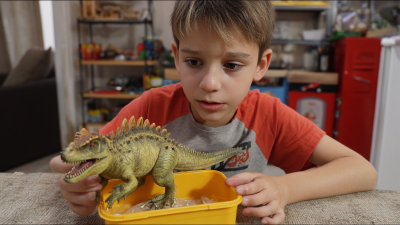
Exploring Learning and Fun: The Ultimate Guide to the New Kids Educational Excavation Kits Toy

In today's age of educational toys, the Small Gem Mystery Boxes stand out as a remarkable choice for fostering a passion for learning and exploration among kids. These kits offer a captivating hands-on experience where young learners can embark on their own archaeological adventure. By excavating 12 gem plaster pieces, children not only engage in the excitement of digging but also delve into the fascinating world of gemstones. Each kit comes with the essential tools, allowing kids to tap, brush, and shovel their way to discovery, enhancing their motor skills and sensory awareness in the process.

Moreover, these excavation kits provide comprehensive instructions that enrich the learning experience. Children gain valuable insights into the properties and significance of different gems, feeding their curiosity and promoting a deeper understanding of nature. The environmentally friendly materials used ensure that the excavation process is safe and sustainable, giving parents peace of mind. As each gem is excavated, cleaned, and assembled, kids not only enjoy the thrill of the activity but also develop essential life skills such as memory retention and self-confidence. The Small Gem Mystery Boxes serve as an ideal gift, merging education and fun in a delightful package that sparks joy and intellectual growth in young minds.

FAQS

: What should I do if my order is delayed?

: Contact customer service as soon as possible. Provide your order number and details.

How can I track my package?

You can track your package using the tracking link in your confirmation email.

What if I received the wrong item?

Reach out to customer support. Describe the issue clearly. They will guide you on returning the item.

Can I change my shipping address after placing an order?

Changes can be made if the order hasn’t shipped. Act quickly and contact customer support.

What are the return conditions?

Items must be unused and in original packaging. Check the return policy for any specific exclusions.

How long do I have to return an item?

Typically, you have 30 days from the delivery date to initiate a return. Be aware of deadlines.

Is it possible to cancel my order?

Yes, but only if it hasn’t shipped. Contact customer service immediately for assistance.

What payment methods are accepted?

Most major credit cards and some digital wallets are accepted. Confirm during checkout.

Can I get a refund on sale items?

Refunds on sale items depend on the return policy. Check for any exceptions before purchasing.

How do I leave feedback about my experience?

You can usually find a feedback form on the website. Your insights are valuable for improvements.

Conclusion

Gem digging can be an exciting and rewarding hobby for those interested in discovering precious stones. To get started, it's essential to understand the basics of gem digging, including the types of gemstones one may find and the best practices for locating them. Beginners should familiarize themselves with essential tools and equipment that facilitate gem digging, such as shovels, sieves, and digging kits.

Choosing the right location is critical; certain areas are more likely to yield valuable finds. As you dig, it's important to use efficient techniques for extracting gems while taking necessary safety precautions to protect yourself from potential hazards. Once you've found your gemstones, proper cleaning and care will ensure their beauty and longevity. With the right knowledge and preparation, anyone can embark on a successful gem dig and enjoy the thrill of uncovering nature's treasures.

Sophia

Sophia

Sophia is a dedicated marketing professional at Jinhua City Dukoo Toys Co., Ltd., a company that has been at the forefront of designing and customizing archaeological toys since its inception in 2009. With nearly 13 years of experience in the industry, Sophia possesses a deep understanding of the......
Previous Creative Solutions for Enhancing Learning with Prehistoric Fossil Dig Toys