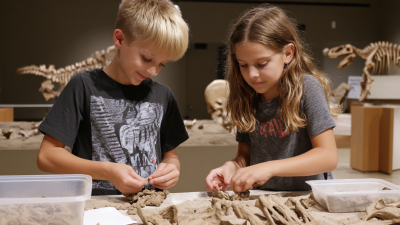
The fascination with dinosaurs has captured the imagination of children for generations, and one of the most engaging ways to introduce young minds to the world of paleontology is through Dinosaur Dig Kits. These interactive kits not only provide a hands-on experience that stimulates curiosity but also serve as a gateway for children to explore the ancient past. According to Dr. Emily Johnson, a leading expert in paleontological education, "Dinosaur Dig Kits create an immersive learning experience that fosters a love for science and exploration in young learners."
By allowing children to dig for realistic dinosaur fossils, these kits encourage an active engagement with science that books alone cannot offer. The excitement of uncovering "fossils" drives children to ask questions, conduct research, and even simulate the role of paleontologists. This experiential learning process can spark a lifelong interest in the sciences, nurturing future scientists and adventurers.
Dinosaur Dig Kits are not merely toys; they are educational tools that bridge the gap between play and learning, forming a critical part of early childhood education. As more parents seek enriching experiences for their children, these kits present an exciting opportunity to foster curiosity, creativity, and critical thinking about the dinosaurs that once roamed our planet.
A Dinosaur Dig Kit is a hands-on educational tool designed to immerse children in the fascinating world of paleontology. Typically, these kits contain tools such as brushes, chisels, and excavation blocks made from materials that mimic sedimentary rock. Inside these blocks, children can discover replica dinosaur bones or fossils, allowing them to experience the thrill of excavation much like a real paleontologist. This interactive approach not only fosters curiosity about prehistoric life but also encourages critical thinking and problem-solving skills as kids strategize how to carefully uncover their finds.
When introducing a Dinosaur Dig Kit to children, consider these tips: First, set up the activity in a space that can handle some mess, like outdoors or a garage, as there will likely be debris from the excavation. Secondly, engage in the excitement with your child by discussing different dinosaurs and their historical significance. This can enhance their understanding and make the experience even more enriching. Lastly, encourage them to analyze the "fossils" they find. You might prompt questions like, "What do you think this dinosaur looked like?" or "How did it live?" These inquiries can create a deeper interest in paleontology and spark conversations about science and history.
A typical dinosaur dig kit is designed to immerse children in the exciting world of paleontology by simulating the experience of being a real fossil hunter. These kits generally include an assortment of tools, such as excavation brushes, chisels, and magnifying glasses, which allow kids to carefully uncover and examine specimen replicas embedded in a "dig block." According to industry reports, educational toy markets, particularly those focusing on science and exploration, have been growing annually by approximately 10%. This rise indicates a significant interest among parents for toys that not only entertain but also educate.
In addition to excavation tools, dinosaur dig kits often incorporate educational materials that provide background on dinosaurs and the science of paleontology. Many kits include colorful guides that describe the different dinosaurs represented in the kit. Research from the American Association of Museums shows that hands-on learning experiences, like those provided by dig kits, enhance cognitive development and critical thinking skills in children. Moreover, these kits can spark curiosity about Earth sciences, encouraging children to seek further knowledge and explore future careers in related fields. By engaging children in active play that mimics real scientific processes, dinosaur dig kits lay the groundwork for a lifelong interest in natural history and science.
Dinosaur dig kits serve as an engaging introduction to the fascinating world of paleontology for young explorers. These kits typically contain various tools such as brushes, chisels, and excavation blocks that simulate the experience of a real paleontologist discovering fossils. By encouraging hands-on learning, children are able to delve into the process of excavation, mimicking real-life paleontological methods. This interactive experience not only fuels their imagination but also lays the groundwork for understanding the scientific methods used in the field.
As children uncover dinosaur skeletons or fossil replicas hidden in their dig kits, they are introduced to essential paleontological concepts such as stratigraphy, fossilization, and species identification. The excitement of discovery prompts curious minds to ask questions about how dinosaurs lived, their environments, and their eventual extinction. This natural curiosity drives them to explore related scientific fields, fostering a deeper understanding of history and biology. In this way, dinosaur dig kits become valuable educational tools, not just for play, but as a means to cultivate a lasting interest in science and the wonders of our planet's past.
Hands-on learning is a powerful method for engaging young minds, particularly when it comes to subjects like paleontology. A dinosaur dig kit is an excellent tool that embodies this approach, allowing children to immerse themselves in a simulated excavation experience. Through physically interacting with the materials and tools, children not only learn about dinosaurs but also gain practical skills like patience, persistence, and problem-solving. The tactile nature of a dig kit captures their imagination, making the learning process enjoyable and memorable.
Additionally, such kits often encourage collaborative efforts among peers or family members, fostering social interaction and teamwork. As children work together to “unearth” fossils or dinosaur bones, they engage in discussions that enhance their understanding of the scientific concepts involved. This collaborative dynamic is crucial, as it helps them develop communication skills and a sense of community while pursuing a shared interest.
By bridging the gap between theory and practice, dinosaur dig kits effectively ignite curiosity about the natural world and open the door for future explorations in science and history.
Dinosaur dig kits are not just toys; they are innovative educational tools that significantly contribute to child development. Engaging young learners in paleontology, these kits enhance critical thinking and problem-solving skills. According to a report by the National Science Teacher Association, hands-on learning experiences like those provided by dig kits can improve retention rates of scientific concepts by as much as 75%. When children actively participate in digging up and discovering dinosaur fossils, they are not only excited but also developing a deeper understanding of history and science.
Additionally, using a dinosaur dig kit fosters creativity and imagination in children. A study published in the Journal of Applied Developmental Psychology found that interactive learning activities stimulate cognitive development, allowing children to engage in imaginative play that is crucial for their overall growth. As children role-play as paleontologists, they learn about teamwork, perseverance, and the scientific method. This playful exploration not only sharpens their social skills but also boosts their confidence as they achieve discoveries and engage in discussions about their findings. Overall, dinosaur dig kits provide a multifaceted approach to learning that supports various aspects of child development in a fun and engaging way.
| Dimension | Description |
|---|---|
| Engagement | Promotes active participation and interest in paleontology. |
| Learning | Encourages learning about dinosaurs and the science of fossils. |
| Motor Skills | Helps develop fine motor skills through excavation activities. |
| Imagination | Encourages imaginative play and storytelling related to dinosaurs. |
| Problem-Solving | Enhances critical thinking and problem-solving skills during the dig. |
| Collaboration | Promotes teamwork and collaboration when played in groups. |
Dinosaur dig kits have gained popularity among children and educators for their engaging approach to learning about paleontology. The market for these kits has expanded significantly, with a variety of options available to cater to different age groups and interests. According to a report by Grand View Research, the educational toys market, including science-focused kits, is projected to reach $20 billion by 2026, indicating a growing demand for interactive learning tools that inspire curiosity and creativity in young minds.
These kits typically include a range of tools and materials, such as excavation tools, brushes, and detailed guides, allowing children to unearth dinosaur fossils from plaster blocks. The hands-on experience not only sparks interest in dinosaurs but also promotes fine motor skills, patience, and critical thinking as children simulate the work of real paleontologists. A survey by the Toy Association revealed that educational toys, like dinosaur dig kits, improve children's engagement with science and have a positive impact on their learning experiences; 73% of parents reported that kids are more eager to learn when they can play and explore.
With options ranging from simple beginner kits to more advanced sets that offer realistic fossil replicas, parents and educators can choose kits that align with their child's age and learning stage. This variety not only enhances the educational experience but also ensures that each child can find a kit that resonates with their specific interests, thus fostering a lasting passion for paleontology and science as a whole.
Dinosaur dig activities can be an exciting way to introduce children to the world of paleontology. To facilitate these activities, parents and educators can create an engaging environment that stimulates curiosity and discovery. One effective approach is to prepare the digging site with a variety of dinosaur bones or fossils hidden within a soft substrate like sand or dirt. This hands-on experience allows children to excavate and uncover "fossils," fostering a sense of adventure and scientific inquiry as they use tools like brushes and small shovels to unearth their findings.
Additionally, parents and educators play a crucial role in enhancing the learning experience by providing context and background information about dinosaurs and their significance in Earth's history. Incorporating storytelling or presentations about different dinosaur species, their habitats, and the science behind fossilization can deepen children's understanding and enthusiasm. Furthermore, encouraging discussions about their discoveries can foster critical thinking skills. By asking open-ended questions and guiding conversations, adults can help children make connections between their findings and broader themes in science, reinforcing their interest in paleontology.
: A Dinosaur Dig Kit is an educational tool designed for children that allows them to experience paleontology hands-on. It includes tools such as brushes and chisels along with excavation blocks that contain replica dinosaur bones or fossils.
Common tools in a typical Dinosaur Dig Kit include excavation brushes, chisels, and magnifying glasses, which help children uncover and examine the specimen replicas within the dig blocks.
Parents can enhance the experience by setting up the activity in a mess-friendly area, engaging in discussions about dinosaurs and their significance, and encouraging children to analyze the fossils they uncover with thoughtful questions.
Using a Dinosaur Dig Kit enhances critical thinking, problem-solving skills, creativity, and imagination. It also fosters teamwork, perseverance, and boosts confidence through the exploration of scientific concepts.
Yes, many Dinosaur Dig Kits include educational materials such as colorful guides that provide background information on different dinosaurs and the science of paleontology.
Dinosaur Dig Kits promote cognitive development by enhancing retention rates of scientific concepts through hands-on learning experiences, which can improve understanding and stimulate curiosity about Earth sciences.
Yes, engaging children in activities that mimic real scientific processes with Dinosaur Dig Kits can spark their curiosity and potentially lead to future interests or careers in related science fields.
Engaging in imaginative play is crucial for overall growth as it stimulates cognitive development and allows children to role-play as paleontologists, improving their social skills and confidence through shared discoveries.
Hands-on learning experiences, such as those in Dinosaur Dig Kits, can significantly improve child development by promoting active participation, enhancing retention of concepts, and encouraging exploratory learning in a fun format.
Yes, there is a significant annual growth in the educational toy market, particularly for toys that focus on science and exploration, indicating a strong interest from parents for educational play options.
Dinosaur Dig Kits are engaging educational tools designed to ignite children's interest in paleontology. These kits typically contain various components such as excavation tools, dinosaur fossils, and informative guides that introduce young learners to essential paleontological concepts. By allowing kids to participate in hands-on learning, these kits foster curiosity and critical thinking, making the exploration of science both interactive and enjoyable.
Additionally, using Dinosaur Dig Kits can significantly benefit child development by enhancing fine motor skills, problem-solving abilities, and patience. A variety of kits are available on the market, catering to different ages and interests, which provides parents and educators numerous ways to facilitate engaging dinosaur dig activities. Overall, Dinosaur Dig Kits serve as a fantastic bridge between play and education, motivating young minds to explore the wonders of the prehistoric world.