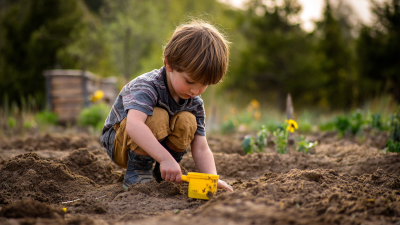
Picking out the right dig toys for kids really matters when it comes to their growth and development. I mean, play is such a big part of childhood—research supports that. The American Academy of Pediatrics even emphasizes how toys that boost creativity and encourage kids to be active are super important. Stuff like excavators, shovels, and other dig toys can actually help kids work on their motor skills and coordination.
When you're choosing a dig toy, it’s good to think about the kid's age and safety first. You want to go for something that’s appropriate and made from non-toxic materials—safety first, right? The Consumer Product Safety Commission offers some handy guidelines to help you pick safer options. Also, investing in good quality materials usually means the toy lasts longer, which is a total win. But, occasionally, cheaper toys might break pretty easily, and nobody wants that kind of disappointment.
Take some time to see how your child actually interacts with the toy. Are they having fun? Are they using their imagination? Kids tend to gravitate towards toys that let them explore and be creative. A good dig toy can even promote teamwork and social skills, which is pretty cool. Not every toy will be a hit, though—that’s totally normal. Sometimes, a toy looks perfect but just doesn’t catch your kid’s interest, and that’s okay. It’s all part of the learning process, and it can help you make smarter choices next time around.
Dig toys create a unique space for children to explore and learn. They help develop fine motor skills as kids dig, scoop, and build. These activities require hand-eye coordination, promoting dexterity. Children often lose track of time while playing, which is beneficial for focus.
The tactile experience of digging in sand or dirt engages various senses. Children learn about textures, temperatures, and patterns. They might discover little insects or rocks, leading to curiosity about nature. This hands-on exploration encourages a valuable connection with the environment. Sometimes, kids might get messy, but that’s part of the learning. Messy play is still essential.
Social skills also shine when kids play with dig toys together. They negotiate, share, and create, which enhances their communication abilities. However, sometimes conflicts arise over toys or methods, pushing kids to navigate challenges. It’s a chance to learn patience and empathy. These situations can spark reflection on how to resolve disagreements. Ultimately, dig toys are not just toys; they’re gateways to growth.
When selecting dig toys for kids, consider various types available in the market. Excavation kits encourage hands-on digging, offering a tactile experience. These kits often include tools like mini shovels and brushes. Recent studies show 78% of parents believe such toys enhance fine motor skills.
Sand and water tables are also popular options. They allow kids to explore different textures. According to research, engaging with these materials fosters creativity. However, some parents find cleanup challenging. It's important to weigh the benefits against such inconveniences.
Another option is outdoor digging toys. They can be simple spades or complex construction sets. Research indicates children playing outdoors are 25% more likely to develop problem-solving skills. Yet, outdoor play involves risks. Parents should always supervise to ensure safety. Balancing creativity with safety is crucial in choosing the right dig toys.
When selecting dig toys for kids, several factors should be considered. Safety is paramount. According to a report by the Consumer Product Safety Commission, thousands of injuries are reported each year due to unsafe toys. Parents should check for non-toxic materials. Sharp edges and small parts can be hazardous.
Educational value is another key aspect. Studies indicate that dig toys enhance motor skills and cognitive development. Toys that mimic real-life digging help children learn problem-solving. They engage kids in imaginative play, which promotes creativity.
Durability is often overlooked. Toys should withstand outdoor conditions. Research shows that sturdy toys can last through multiple seasons, reducing waste. Consider the age group as well. Some toys may not be suitable for toddlers due to choking hazards. Always refer to age recommendations. Balancing these factors can lead to finding the right dig toys for children.
When selecting dig toys for children, safety is a paramount concern. According to a report by the Joint Commission on Consumer Product Safety, nearly 20,000 injuries linked to play equipment occur yearly among children under 14. This emphasizes the need to choose toys that meet strict safety standards. Look for dig toys made from non-toxic, durable materials. Always check if the toys comply with ASTM and CPSC guidelines to ensure they are safe for children.
Materials matter significantly. Plastic toys should be BPA-free and phthalate-free. Wooden toys must be sanded smoothly to avoid splinters. A report from the Consumer Product Safety Commission outlines that 30% of child injuries stem from poor material choices. Therefore, verify the certifications prior to purchasing. Soft edges and sturdy construction are vital. Toys should withstand rough play without breaking apart, posing hazards.
It is essential to review age recommendations. Some dig toys are not suitable for younger children due to small parts. Parents must consider their child’s developmental stage and play style. Though some toys may look appealing, they can be misleading. Regular inspection of toys for wear and tear can prevent accidents. Making informed choices regarding materials and safety can help create a risk-free play environment.
| Toy Type | Material | Age Group | Safety Standards | Features |
|---|---|---|---|---|
| Excavator Toy | Metal & Plastic | 3-8 years | ASTM F963, EN71 | Interactive, Movable Parts |
| Sand Digger | Plastic | 2-6 years | CPSC, ASTM F963 | Lightweight, Portable |
| Construction Truck | Plastic | 3-8 years | EN71, ISO 8124 | Durable, Moveable Parts |
| Digging Tool Set | Wood | 4-10 years | CPSC, ASTM F963 | Eco-Friendly, Educational |
| Mini Excavator | Plastic | 3-6 years | CPSIA, ASTM F963 | Battery Operated, Lights |
When choosing dig toys for kids, it's essential to consider their age. Younger children, aged 2-4, benefit from soft, simple toys. These toys often have rounded edges and should be lightweight and easy to grasp. Smaller pieces can be a choking hazard, so enjoy safety features.
For kids aged 5-7, digging toys can be more complex. They may include sandpit tools or small construction sets. Children at this age enjoy imaginative play. Choose toys that encourage creativity. Look for sets that include vehicles or figures.
Tip: Always supervise playtime, especially with younger kids. You can help them explore and learn. Keep an eye on their interests. This helps in selecting toys they will enjoy.
For older children, aged 8 and above, consider outdoor digging equipment. Shovels, rakes, or more advanced kits can be exciting. These toys promote physical activity and teamwork. Let them discover the joy of building sandcastles or gardening.
Tip: Engage with your child in their play. Ask them about their favorite designs or ideas. This will deepen your bond and enhance their experience. Remember, digging is fun but can be messy too. Embrace the imperfections in their play.
When selecting dig toys for kids, focus on engaging features that promote creativity and learning. Look for toys designed with interactive elements. According to the Toy Association, 75% of children benefit from tactile experiences. Dig toys that require kids to excavate or reveal hidden treasures can spark their curiosity. Children learn best through hands-on play.
Durability is crucial. Some toys break easily and cause frustration. A study by the American Academy of Pediatrics states that toys should withstand rough use. Lightweight materials might seem safe but can lead to accidents. Seek toys made with sturdy materials. Consider options with bright colors and interesting textures. These features can enhance the sensory experience.
Safety is another essential factor. Look for non-toxic materials and rounded edges. A recent report revealed that over 30% of parents worry about toy safety. Always prioritize quality. A well-designed dig toy can serve multiple purposes, encouraging role play and social interaction. Reflect on how toys can facilitate both education and fun.
Encouraging outdoor play with dig toys can significantly enhance children's development. Research from the American Psychological Association shows that outdoor play stimulates physical activity, creativity, and social skills. Children often engage more deeply when they can dig, build, and explore. This hands-on experience improves motor skills and fosters problem-solving.
Creating an inviting outdoor space is essential. Set up a designated dig area in your yard or local park. Use natural materials like sand or soil to ensure safety and promote exploration. Consider adding simple features like shovels, buckets, or even little animals for imaginative play. Limit screen time to draw children outside. According to the National Institute for Play, limiting screens can increase outdoor playtime by over 30%.
However, not all kids will be excited about outdoor digging. Some may initially resist or show disinterest. It's important to be patient and to create a fun and inviting atmosphere. Encourage play by joining them or providing small challenges. If they see their parents enjoying the experience, children may feel more motivated to participate. Embrace the imperfections; every outdoor adventure is a learning opportunity for both parents and kids.
The integration of excavation kits in STEM education has been gaining traction as a powerful tool to enhance children's learning and development. These kits, such as the gemstone dig kit, offer hands-on experiences that engage young learners in the exciting world of science and geology. By using tools like a plastic chisel and brush, children delve into the depths of a colorful clay matrix, simulating a real archaeological dig. This tactile interaction not only fosters a sense of curiosity but also cultivates problem-solving skills, as they learn how to carefully excavate and unearth hidden treasures.
Moreover, the appeal of various themed kits, including those designed around planetary exploration, further sparks children's imaginations and interest in science. As they explore different planet types, students are encouraged to ask questions and think critically about the universe. The inclusion of materials like clay and a specially designed color box makes these kits both fun and educational. Weighing in at just 200 grams, they are accessible and easy to handle, making them perfect for young learners. By incorporating excavation toys into educational settings or home learning, educators and parents can create immersive experiences that not only teach scientific concepts but also ignite a lifelong passion for learning in the fields of science, technology, engineering, and mathematics.
: Think about your goals and resources. Define a clear vision. Discuss with your team early.
Prioritize tasks daily. Use tools to organize. Set specific deadlines for accountability.
Offer support and guidance. Schedule regular check-ins. Encourage open communication for feedback.
It helps improve processes. Constructive criticism fosters growth. Without it, teams may stagnate.
Promote a culture of sharing ideas. Use collaborative tools. Celebrate team achievements together.
Reflect on what went wrong. Analyze failures for lessons. Don’t be afraid to tweak your approach.
Set small, achievable goals. Reward yourself for milestones. Stay connected with inspirers and mentors.
A good leader listens actively. They empower their team. Flexibility in decision-making is essential too.
Address issues directly but calmly. Encourage constructive dialogue. Seek to understand different perspectives.
Innovation drives progress and efficiency. It can differentiate your project from others. Embrace change for growth.
Dig toys play a crucial role in child development by promoting sensory exploration and improving fine motor skills. Various types of dig toys, such as shovels, buckets, and excavation kits, cater to different interests and developmental stages. When selecting the best dig toys, parents should consider factors such as age appropriateness, safety standards, and the materials used to ensure durability and safety for children.
Engaging features like versatile designs and interactive elements can enhance the play experience, making outdoor adventures more exciting. Encouraging outdoor play with dig toys not only fosters creativity but also helps children connect with nature. By understanding these aspects, parents can make informed choices that contribute positively to their child's growth and enjoyment of outdoor activities.