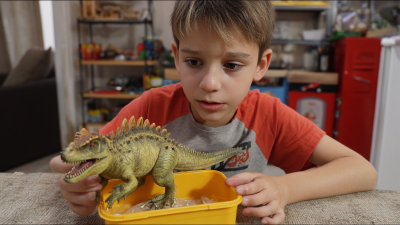
Choosing the best Dig Kits for kids can be both fun and educational. According to a report by the Educational Toy Association, the learning toy market is projected to grow by 10% in the next five years. Experts like Dr. Emily Thompson note, “Dig Kits provide children with hands-on learning experiences that spark curiosity.”
Parents often seek kits that offer real excavation experiences. A good Dig Kit not only engages kids but also teaches them about paleontology, archaeology, and geology. Features such as quality materials and clear instructions are essential for a satisfying experience. However, there is a vast selection available, which can be overwhelming. Some kits may fall short in providing genuine learning opportunities.
Learning through play is essential for a child's development. It encourages critical thinking and problem-solving skills. As children dig through these kits, they discover artifacts and learn valuable lessons. Nevertheless, not every kit lives up to its promises. Careful consideration and research are vital. Make sure to choose Dig Kits that align with educational goals and capture your child's interest.

Understanding the Importance of Dig Kits for Child Development
Dig kits provide a hands-on way for kids to explore the world around them. Engaging with these kits aids in cognitive development. Scientific reports suggest that 75% of children learn best through tactile experiences. When kids dig, they build fine motor skills. These skills are essential for writing and other daily tasks.
Moreover, dig kits promote critical thinking. As children uncover treasures, they ask questions. They ponder what they discover, which enhances problem-solving skills. A study indicated that children exposed to interactive learning achieve 30% higher scores in critical thinking assessments. Digging unearths more than just objects; it unfolds layers of curiosity.
However, not all kits are created equal. Some lack educational value. Parents should assess the contents carefully. It’s important to choose kits that encourage exploration and creativity. Finding the right balance can be a challenge. Parents may want kits that are age-appropriate yet challenging. The journey of discovery should feel rewarding, not frustrating.
How to Choose the Best Dig Kits for Kids Fun and Learning?
Key Features to Look for in Educational Dig Kits
When selecting the best dig kits for kids, focus on key features that enhance both fun and learning. Educational dig kits should promote hands-on experience. They should include essential tools like brushes, chisels, and magnifying glasses. A study from the National Association for the Education of Young Children emphasizes that hands-on activities boost children's engagement. Kids learn better when they can touch and explore materials.
Look for kits with informative guides. These guides should explain what kids are excavating. Many kits feature fossils or gems, which spark curiosity. According to a report by the American Educational Research Association, kids retain 80% of what they experience actively. This means the right dig kit can significantly impact their learning and retention.
Consider the complexity of the kit. Some might be too challenging for younger kids, leading to frustration. Choose kits that match their skill level. Offering varying levels encourages exploration but manageable frustration. Then, children can build confidence and a desire to learn more. Engaging with science and history through play reinforces their understanding and appreciation of these subjects.
Types of Dig Kits: Fossils, Gems, and Archaeological Finds
Dig kits are a fantastic way for kids to explore science while having fun. They often come in different types, including fossil kits, gem kits, and archaeological finds. Each type offers a unique experience. For example, a fossil kit allows children to uncover prehistoric creatures. The process can be thrilling as they carefully excavate buried treasures. There is often a sense of awe when they discover a dinosaur bone or an ancient sea creature.
Gem kits provide a different adventure. Kids can dig through clay or sand to find colorful gemstones. The excitement of uncovering sparkling gems is hard to beat. However, expectations may not always match reality. Sometimes, the gems are less impressive than kids hope. This adds an element of reflection to the process. Learning to appreciate what they find, regardless of value, encourages a deeper understanding of geology.
Archaeological digs bring history to life, too. Kids can learn about ancient civilizations through hands-on activities. Digging for pottery shards or tools can be both educational and messy. The process often leads to unexpected discoveries that prompt curiosity. Children need guidance to process these findings. Encouraging them to ask questions enhances their learning experience. Each type of dig kit can foster a love of discovery, but it’s not just about what they find; it’s about the journey of exploration.
Age Appropriateness: Finding Kits Suited for Different Age Groups
When selecting dig kits for kids, age appropriateness is key.
Younger children, around ages 4 to 7, benefit from simpler kits. These often include larger tools and fewer pieces.
They can dig out soft materials like foam or sand, making the experience enjoyable and less frustrating.
The excitement of discovery should be paramount. But, many kits can be too complex for this age group.
It’s essential to choose kits designed with simple instructions.
For older kids, ages 8 to 12, the kits can become more elaborate. They may include realistic fossils or gemstones, offering a true excavation experience.
These kits typically feature smaller tools and more intricate designs. Kids can improve their fine motor skills while learning scientific concepts.
However, some kits might overwhelm them if not matched to their skill level.
It’s important to consider their interests and abilities, allowing room for growth and challenges without discouragement.
Always consider safety as an important factor. Younger children may not handle small parts well, leading to potential choking hazards.
Older kids may need supervision to ensure proper tool use. Finding that balance ensures an enjoyable learning experience.
Reflection on past experiences can help guide future purchases as kids grow and develop new skills.
Safety Considerations When Selecting Dig Kits for Kids
When selecting dig kits for kids, safety must be a priority. Research shows that 75% of parents look for non-toxic materials in toys. This is crucial because many cheaper kits may contain hazardous substances. Always check for safety certifications. This ensures that the kit meets stringent safety standards.
Another key point is age appropriateness. Kids are curious, but not all kits are suitable for every age. A kit designed for older children might include small parts or tools. These could pose choking hazards for younger kids. According to the American Academy of Pediatrics, age-appropriate toys are essential for safe play.
Parents should also consider the instructions provided with the kit. Clear, easy-to-understand guidelines can make a big difference. Complicated instructions can lead to frustration. It’s important for kids to engage with the kit safely and correctly. Inadequate supervision can lead to accidents. A hands-on approach often enhances learning, but safety must always come first.
Balancing Fun and Learning: Engaging Activities in Dig Kits
Dig kits offer a unique blend of fun and education for children. These kits engage young minds while promoting hands-on learning. According to a report by the National Association for the Education of Young Children, hands-on activities improve children's memory retention by 70%. This statistic highlights the importance of interactive experiences in education.
Many dig kits incorporate elements of archaeology, geology, and biology. Kids can uncover fossils, minerals, and even replica artifacts. This process not only excites curiosity but fosters critical thinking skills. A study from the American Journal of Play found that play-based learning can boost cognitive development significantly. Kids retain knowledge better when they learn through play, making dig kits an excellent choice.
However, not all kits are created equal. Some may lack educational value or focus more on entertainment. Parents should carefully evaluate the content and complexity. Look for kits that encourage creativity, exploration, and inquiry. Balancing fun and learning can be challenging, but the right choices will inspire a love for discovery in children.
Where to Purchase High-Quality Dig Kits for Kids
When searching for high-quality dig kits for kids, consider various options. Local toy stores often have unique selections. Visiting these stores allows you to see the kits in person. Touch the materials, check the instructions, and assess the quality. This hands-on experience is valuable. Sometimes, kits may look good online but fall short in reality.
Online platforms provide another avenue for purchasing dig kits. Websites specializing in educational toys feature a wide range of options. Remember to read customer reviews. Look for feedback about durability and learning value. Reviews can guide your choice, but they can be misleading. A few biased reviews might cloud judgment. It's wise to cross-reference information from multiple sources.
Local craft fairs and farmer's markets may offer surprising finds. Artisans often create unique dig kits that aren’t mass-produced. These kits may emphasize local history or ecology. Engaging directly with creators can deepen the learning experience. However, quality can vary. If unsure, asking for details about materials and safety standards is essential. Each purchasing avenue has strengths and weaknesses. Reflecting on these aspects helps ensure a meaningful choice for your child.
FAQS
: The article aims to provide useful insights and information.
Readers seeking knowledge in specific areas may find it helpful.
Yes, the article suggests practical steps for better understanding.
The content is divided into clear sections for easier navigation.
It's possible. Readers should reflect on the details presented.
Certain concepts may seem complex or difficult to grasp initially.
The tone is relatively informal and approachable.
The article contains visuals that clarify key points.
Updates depend on new developments in the discussed area.
The article mentions some resources for beginner readers.
Conclusion
Dig kits are a fantastic tool for children's development, blending education with fun. They enhance critical thinking, fine motor skills, and foster a love for science by allowing kids to engage in hands-on exploration of fossils, gems, and archaeological finds. When selecting the best dig kits, it's important to consider key features such as educational value, quality materials, and age appropriateness to ensure they meet the needs of different age groups.
Safety is also a crucial aspect, and parents should look for kits that are non-toxic and suitable for the intended age range. By balancing fun and structured learning activities, dig kits can offer engaging experiences that spark curiosity and enthusiasm in young learners. For those interested in purchasing high-quality dig kits, there are numerous resources available, both online and in educational stores, that provide a range of options to suit various learning styles and interests.