0%

Picking out the right Fossil Excavation Kit for kids can feel a bit overwhelming – seriously, with so many options out there, it’s easy to get confused! Parents really want something that’s not just fun, but also has some educational value, you know? A good kit should really ignite your kid’s curiosity about paleontology and maybe even spark a lasting love for science.

When you’re browsing different kits, don’t forget to think about your child's age. Some are perfect for younger kids and others are geared more towards older, more advanced learners. It’s worth looking for a kit that’s comprehensive, with all the tools and materials needed to really dive in and get their hands dirty. That kind of active engagement makes the whole experience way more exciting and meaningful.

Also, don’t skip reading what other parents are saying about these kits. Reviews and ratings can give you a pretty good idea of what to expect, especially when it comes from folks who’ve actually purchased them. Brands with a solid reputation for quality and education are usually a safer bet too. At the end of the day, finding the perfect fossil kit is all about understanding what really catches your kid’s interest and creating a fun, memorable learning adventure for them.

How to Choose the Best Fossil Excavation Kit for Kids?

Understanding Fossil Excavation Kits: A Brief Overview

How to Choose the Best Fossil Excavation Kit for Kids?

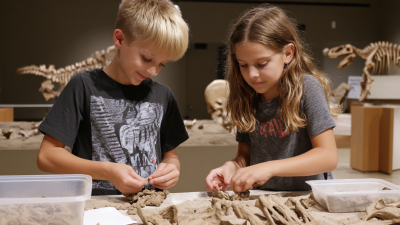
Fossil excavation kits captivate children's imaginations. They dive into the world of paleontology. These kits come with tools like chisels, brushes, and magnifying glasses. Each tool serves a purpose, enhancing the digging experience. Children learn not just about fossils, but also about teamwork and patience.

Choosing the right kit can be tricky. Many factors come into play. Kits vary in complexity. Some are designed for younger kids, while others cater to older ones. The quality of fossils included also differs widely. Some kits feature realistic replicas, while others might provide genuine specimens. This can impact the learning experience. It's essential to read reviews but note that personal experiences may vary.

Consider the educational value of the kit. Some kits include guides that provide valuable insights into fossil identification and history. However, not all kits offer clear instructions. This discrepancy may frustrate some young excavators. Additional resources can enhance understanding, so exploring supplementary materials is beneficial. The goal is to spark curiosity and encourage further exploration.

Key Features to Look for in a Fossil Excavation Kit for Kids

When selecting a fossil excavation kit for kids, several key features should be considered. A quality kit typically includes authentic fossil samples, tools for excavation, and educational materials. According to a report by the National Science Teachers Association, hands-on activities improve children's understanding of science. Kits that offer real fossils foster a genuine interest in paleontology.


The tools provided are essential. Look for sturdy excavation tools designed for small hands. A brush, chisel, and magnifying glass are often included. These tools help kids carefully extract fossils without causing damage. Research shows that kids benefit from tactile experiences. Engaging in action-based learning enhances retention rates by up to 75%, based on studies in educational psychology.


Educational content is equally important. Many kits now come with guided activity sheets or online resources that provide historical context about the fossils. This promotes critical thinking. However, parents should be aware that some kits may lack clear instructions. It’s beneficial to review user feedback to identify kits that align educational value with fun. The balance between excitement and learning will make the experience memorable.

Age Appropriateness: Selecting Kits for Different Age Groups

When selecting a fossil excavation kit for kids, age appropriateness is crucial. Children’s interests and abilities vary significantly with age. For toddlers, a simple kit with larger, easy-to-handle tools and soft, safe materials is ideal. These kits usually include colorful fossils made of foam or plastic, stimulating curiosity without frustration.

For ages 5-8, kids enjoy more engaging activities. Kits for this group often feature real excavation tools and include detailed instructions. According to the National Science Teaching Association, children in this range learn best through hands-on activities. They respond well to kits that combine education with fun. Incorporating dinosaurs or prehistoric creatures can spark even more interest.

For older children, such as those aged 9-12, more advanced kits are available. These may feature complex fossil structures, real digging tools, and resources on geological processes. Kids in this group can understand scientific concepts. Yet, it’s vital that the kits challenge them without overwhelming them.

Tips: Choose kits that are age-specific. Look for reviews from educators or parents. Consider the child’s interests—getting a kit related to a favorite dinosaur may enhance engagement. Be mindful of safety features. Always check if the materials are non-toxic and suitable for the intended age group.

Materials and Tools: Essentials for a Comprehensive Excavation Experience

When selecting a fossil excavation kit for kids, choosing the right materials and tools is crucial. A well-designed kit typically includes excavation tools like brushes, chisels, and hammers. These tools help to simulate real fossil digs, providing an authentic experience. Kids can learn the importance of using the right tool for each task. Experimenting with different tools promotes problem-solving skills.

In addition to excavation tools, the kit should include safe materials. Quality kits often come with realistic dinosaur fossils, clay, or sand. The fossils should be durable enough to withstand digging without breaking easily. Kids enjoy discovering the hidden fossils while being engaged with hands-on activities. Realistic materials can inspire an interest in paleontology and science.

Tip: Encourage kids to be patient during the excavation process. Rushing can lead to damage or a less rewarding experience. Take your time and enjoy the discovery. Reflect on the fossils uncovered and discuss what each one represents. This helps children understand history and science better. Engaging them in conversations about paleontology can deepen their appreciation for fossils and nature.

Educational Value: Fostering Learning Through Fossil Excavation Kits

How to Choose the Best Fossil Excavation Kit for Kids?

Fossil excavation kits provide an engaging platform for children to explore paleontology. When kids dig for fossils, they interact with history in a tangible way. This hands-on experience enhances learning by making abstract concepts more concrete. They uncover ancient creatures that once roamed the Earth, sparking their curiosity about life long ago.

These kits can boost critical thinking skills. Children must analyze where fossils may be buried and use tools to extract them carefully. Each excavation requires patience and attention to detail. Kids learn that not every attempt will be successful, teaching them resilience. They may not find what they expected, which can be a valuable lesson in managing expectations.

Moreover, these activities promote teamwork. Many excavation kits encourage collaborative play. Kids learn to communicate and share responsibilities during the excavation process. This interaction furthers social skills while they dig together. They can celebrate their discoveries but also reflect on challenges faced. Fostering a love for science and history through these kits becomes a holistic educational experience.

Evaluating Quality: Reviewing Brand Reputation and Customer Feedback

When selecting a fossil excavation kit for kids, evaluating brand reputation is crucial. A brand’s history can reveal a lot about the quality of its products. Look for brands that have been in the market for several years. Their experience often reflects a commitment to creating educational tools that meet safety standards. Reading customer feedback can also provide insights into the kit's reliability. Reviews from other parents often highlight the strengths and weaknesses of various kits.

Additionally, customer ratings can indicate a product's effectiveness. High ratings usually suggest satisfaction, but be cautious of kits with only perfect reviews. Sometimes overly positive feedback can feel manipulated. It's also important to pay attention to comments about the educational value. Parents may report whether their kids enjoyed the learning process. A truly engaging fossil kit can spark a child's interest in paleontology and science.

However, not all kits meet expectations. Some may lack essential tools or clear instructions. Look for kits that offer a variety of fossils. This can enhance the learning experience. If a kit consistently receives mixed reviews, it warrants further investigation. Consider running a deeper check on the brand’s background. Sometimes new brands can surprise you, but research is key.

Safety Considerations: Ensuring a Safe Excavation Experience for Kids

When choosing a fossil excavation kit for kids, safety is paramount. Kids will be handling tools and materials that can pose risks. According to the Consumer Product Safety Commission, thousands of injuries occur each year from unregulated toys. Parents must ensure that the kit is made with non-toxic materials. Look for kits that comply with safety standards, such as ASTM or EN71 regulations.

Before starting the excavation, equip children with safety goggles and gloves. These simple additions can prevent injuries to eyes and skin. Teach kids about the tools they will use, emphasizing how to handle them safely. Ensure that excavation is done in a safe, designated area, away from smaller siblings or pets.

The excavation experience should be both educational and safe. Supervise activities closely, as children may not grasp the importance of caution. Explain that not all kits will yield perfect finds, which can be a learning moment. It’s okay if they break a tool or don’t uncover the expected fossils. This can lead to discussions about patience and persistence. Ultimately, a safe environment fosters curiosity and learning.

Engaging Kids in Paleontology: Discovering Dinosaurs with the Handcraft Dino Fossil Dig Up Kit

Engaging kids in paleontology through hands-on activities has proven to be an effective method for enhancing their understanding of science and history. The "Dinosaur Fossil Dig Up Kit" serves as an excellent tool for this purpose, as it allows young minds to become mini-archaeologists. This kit features nine distinct dinosaur skeletons, which children excavate and then construct, providing them with a vivid and interactive introduction to paleontology. The assembly process not only aids in comprehending the anatomy of these prehistoric giants but also nurtures critical thinking and fine motor skills as they piece together the intricate components.

Moreover, the materials used in these dig kits are both safe and environmentally friendly, crafted from non-toxic plaster and PP plastic. This commitment to safety is underscored by recognized certifications such as CE, CPC, EN71, and UKCA, which affirm that these toys meet stringent safety standards. Engaging children in such environmentally conscious play not only gives them insights into the ancient world of dinosaurs but also instills an early sense of responsibility toward the environment.

According to industry data, kids who participate in interactive learning experiences, such as hands-on excavation kits, retain information better and develop a deeper interest in science-related subjects. Reports suggest that children engaged in these playful educational activities show significant improvement in cognitive development and an increase in problem-solving skills by up to 30%. As we delve into the fascinating world of dinosaurs, these kits are not just toys; they are vital instruments in shaping the next generation of scientists and explorers.

FAQS

: What should I look for in a fossil excavation kit for kids?

: Choose kits with authentic fossils, excavation tools, and educational materials to enhance the learning experience.

Why are tools important in excavation kits?

Sturdy tools like brushes and chisels help kids extract fossils carefully without causing damage.

How do educational materials benefit children?

Educational content promotes critical thinking and helps kids understand the historical context of fossils.

Can rushing through excavation affect the experience?

Yes, rushing can lead to damage and a less rewarding experience. Patience is key.

What safety precautions should be taken during excavation?

Equip children with safety goggles and gloves. Supervise their activities closely to ensure safety.

How can parents encourage kids during the excavation process?

Discuss the fossils they uncover and their significance. This deepens understanding of history and science.

Are all fossil excavation kits safe for children?

Not all kits meet safety standards. Look for those made with non-toxic materials and approved regulations.

What if kids don't find perfect fossils?

It's a learning moment. Discuss patience and persistence, emphasizing that not every excavation yields perfect results.

How do tactile experiences help with learning?

Hands-on activities enhance retention rates significantly, making learning more effective for children.

Is it necessary to review user feedback before purchasing a kit?

Yes, user feedback helps identify kits that offer a balance of educational value and fun.

Conclusion

When selecting a Fossil Excavation Kit for kids, it's essential to understand the components and features that enhance the excavation experience. A quality kit should include essential materials and tools designed for young learners, ensuring that the experience is both educational and engaging. It's important to choose a kit that is age-appropriate, offering the right level of challenge for different age groups to stimulate curiosity without causing frustration.

Additionally, evaluating the educational value of a Fossil Excavation Kit can promote learning about paleontology and natural history. Reviewing customer feedback and brand reputation is crucial to ensure that you select a high-quality product. Lastly, safety considerations should always be prioritized, ensuring that the kit provides a safe exploration environment for children while nurturing their love for science and discovery.

Lila

Lila

Lila is a seasoned marketing professional at Jinhua City Dukoo Toys Co., Ltd., a company that has been at the forefront of archaeological toys since its inception in 2009. With a keen understanding of the intricacies of our products, Lila plays an integral role in customizing archaeological......
Previous Discover the Best Gem Dig Kit for 2026 What to Look For?