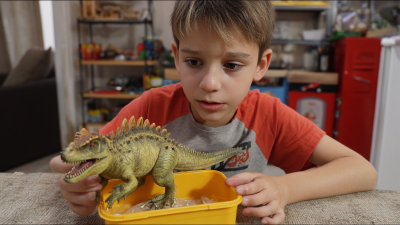
In a world where digital devices often dominate children's attention, finding engaging and educational ways to spark their interest in history can be a challenge. This is where archaeology toys come into play, offering a hands-on approach to learning that is both fun and informative. These toys not only captivate young minds but also encourage them to explore the rich tapestry of human history through interactive and imaginative play.
From excavation kits that simulate a real archaeological dig to puzzle sets that reveal ancient civilizations, archaeology toys provide children with a unique opportunity to step into the shoes of a historian. Engaging with these toys fosters critical thinking, enhances problem-solving skills, and nurtures a curiosity about the past that can lead to a lifelong passion for history. As children uncover treasures from ancient cultures, they develop a deeper appreciation for the complexities and stories that shape our world today.
By incorporating archaeology toys into playtime, parents and educators have the chance to ignite children's enthusiasm for learning. As we explore the top 10 archaeology toys that can transform the way kids engage with history, we invite you to discover how these educational tools can make learning an exciting adventure.
Archaeology toys serve as a creative and interactive medium to engage children in the rich tapestry of history. These toys encourage hands-on learning, allowing kids to dig, excavate, and explore models that represent significant archaeological sites or artifacts. By simulating the process of discovery, children develop a deeper appreciation for the past and the stories behind historical objects. This immersion fosters critical thinking skills as they hypothesize about the origins and purposes of the items they uncover, igniting their curiosity about different cultures and time periods.
In addition to enhancing knowledge of history, archaeology toys promote fine motor skills and teamwork. As children work together in excavation play, they learn the value of collaboration and communication, which are essential skills in both academic and social settings. The tactile nature of the activity helps to solidify their understanding of historical concepts, making learning more memorable. Furthermore, engaging with archaeology toys can spark a lifelong interest in history, science, and the arts, encouraging a generation of future historians and archaeologists to explore the world around them with a sense of wonder and inquiry.
When selecting engaging archaeology toys for children, it's crucial to consider factors that enhance both learning and play. One primary criterion is educational value. Toys that provide historical context and promote critical thinking can help instill a passion for archaeology and history. According to a report by the American Alliance of Museums, interactive learning tools significantly increase children's retention of historical facts. Products that encourage kids to simulate archaeological digs or explore ancient civilizations can make the learning process both fun and memorable.
Another essential aspect is the age appropriateness of the toys. Toys should cater to different developmental stages, ensuring that younger children can participate in basic activities while older kids can tackle more complex concepts. Research from the National Association for the Education of Young Children indicates that hands-on experiences are particularly beneficial for cognitive development in younger age groups. Hence, selecting toys that offer a range of difficulty levels or variations can maximize engagement across different ages.
Tips: Look for toys that include interactive components, like excavation kits with real-life fossils or artifacts, to spark curiosity. Additionally, consider toys that come with guided learning materials or online resources, as these can provide deeper insights and facilitate a more comprehensive understanding of archaeology. By prioritizing educational value and age suitability, parents and educators can create enriching experiences that inspire the next generation of archaeologists.
When it comes to making history fun and engaging for kids, archaeology toys serve as a fantastic bridge between play and education. These toys not only spark curiosity but also allow children to dig into the past, learning about ancient civilizations and the art of discovery. For instance, excavation kits where children can unearth replicas of dinosaur bones or ancient artifacts mimic the real-life experience of archaeologists. This hands-on approach fosters critical thinking and problem-solving skills as kids figure out how to piece together history from the clues they uncover.
In addition to excavation kits, there are many creative toys geared towards developing a child's understanding of archaeological techniques. Interactive playsets that include tools like brushes and chisels help children replicate the meticulous work of real archaeologists. Educational board games focusing on historical themes can also make learning enjoyable, stimulating discussions about different ages and cultures. By integrating play into educational practices, these archaeology toys not only make history accessible but also encourage kids to develop a lifelong interest in the past.
| Toy Name | Age Range | Learning Benefits | Materials Included | Price Range |
|---|---|---|---|---|
| Dinosaur Fossil Excavation Kit | 6+ | Hand-eye coordination, patience | Excavation tools, fossils | $20 - $30 |
| Archaeological Dig Kit | 8+ | Critical thinking, teamwork | Digging tools, puzzle pieces | $25 - $40 |
| Ancient Egyptian Artifacts Puzzle | 5+ | History knowledge, spatial awareness | Puzzle pieces, accessory cards | $15 - $25 |
| Prehistoric Animal Excavation Set | 7+ | Scientific inquiry, motor skills | Excavation tools, animal skeletons | $30 - $50 |
| Mini Archaeologist Toolkit | 4+ | Imagination, creativity | Tools, instruction manual | $10 - $15 |
| Archaeology Adventure Board Game | 10+ | Strategic thinking, social skills | Game board, game pieces | $20 - $35 |
| Fossil Finder Game | 5+ | Recognition, coordination | Fossil tokens, instructions | $12 - $18 |
| Insect Fossils Discovery Kit | 6+ | Scientific exploration, observation | Insect specimens, magnifiers | $15 - $25 |
| Build Your Own Archaeological Site | 8+ | Engineering skills, cultural awareness | Building blocks, accessories | $30 - $45 |
| Historical Artifact Identification Game | 9+ | Knowledge retention, critical thinking | Flashcards, game board | $18 - $25 |
Archaeology toys serve as a powerful tool to foster critical thinking skills in children. By immersing young learners in hands-on excavations and imaginative play, these toys encourage them to engage in problem-solving and analytical reasoning. As kids dig up artifacts and piece together historical narratives, they are not just playing; they are developing the ability to hypothesize, question, and infer. This kind of play promotes an understanding of the scientific method, as children learn to formulate questions, gather information through direct experience, and draw conclusions based on the evidence they find.
Moreover, archaeology toys can spark curiosity and creativity, pushing children to think beyond the surface. As they explore different civilizations and their cultures, kids are prompted to think critically about the context and significance of each artifact. This exploration leads them to consider broader themes, such as change over time and the connections between past and present. By examining different perspectives and interpreting historical data, children are also nurtured in empathy and reflection, essential components of critical thinking. Ultimately, archaeology toys not only make learning enjoyable; they also shape the next generation of thinkers capable of understanding complex historical narratives.
Integrating archaeology toys into classroom activities offers a unique opportunity to engage students in hands-on learning experiences that enhance their understanding of history and critical thinking skills. According to a report from the National Institute for Play, play-based learning can increase retention rates by up to 75% compared to traditional educational methods. By utilizing archaeology-themed toys, educators can transform complex historical concepts into tangible experiences, allowing students to explore ancient civilizations and their cultural artifacts in an interactive setting.
For instance, when students participate in simulation activities that involve digging for fossils or recreating archaeological findings, they are not only motivated but also develop essential skills such as teamwork, problem-solving, and analytical thinking. The American Educational Research Association highlights that students who engage in active learning are 1.5 times more likely to report higher academic performance. Incorporating these toys can foster an environment where students are excited to learn about history and understand the significance of archaeological research in uncovering our past.
Moreover, teachers can integrate these toys into interdisciplinary projects, connecting history with science and art. For example, after excavating model artifacts, students can research their historical significance and recreate the art styles associated with those items. This multidimensional approach not only enriches the learning experience but also caters to various learning styles, enhancing engagement across diverse student populations.
When introducing archaeology toys to children, parental guidance plays a crucial role in enhancing their educational value. First, it's important to create an engaging environment where kids can explore and learn. Parents should encourage open-ended questions about the artifacts they discover, fostering a sense of curiosity. For example, after a child excavates a toy dinosaur or ancient artifact, parents can ask questions like, "What do you think this was used for?" or "How do you think it got here?" Such inquiries stimulate critical thinking and help children draw connections between the past and present.
Additionally, parents can enhance the experience by integrating storytelling into playtime. Sharing historical narratives related to the artifacts or the civilizations they come from can captivate a child's imagination and inspire a deeper interest in history. This storytelling approach not only makes the activity more enjoyable but also contextualizes the objects, making them more meaningful. Furthermore, parents can set aside time for collaborative activities, such as researching the historical significance of the items encountered during play. This not only reinforces learning but also strengthens the bond between parent and child through shared discovery and exploration.
The future of educational archaeology toys for kids is evolving rapidly, influenced by advancements in technology and an increasing emphasis on interactive learning. One of the most significant trends is the integration of augmented reality (AR) into archaeological playsets. By using AR technology, children can experience virtual excavation sites right in their living rooms. They can dig for digital artifacts, piecing together history as they learn about ancient civilizations and cultures. This immersive approach not only captivates the imagination but also enhances cognitive skills by promoting problem-solving and critical thinking.
Another trend is the focus on sustainability in toy production. As awareness of environmental issues grows, educational toys are being designed to be eco-friendly and made from biodegradable materials. This shift not only teaches children about the importance of sustainability but also aligns with the values of many parents who desire products that are both educational and environmentally conscious. Furthermore, toys that encourage collaborative play are gaining traction, as they promote teamwork and social skills, nurturing a sense of community among young learners while they explore historical themes together.
: Archaeology toys are interactive tools that allow children to engage in hands-on learning by digging and discovering models of significant archaeological sites or artifacts. They promote a deeper appreciation for history, foster critical thinking skills, and ignite curiosity about different cultures and time periods.
The tactile nature of archaeology toys, such as excavation kits, encourages children to use their hands in activities that require precision, thus improving their fine motor skills while they explore and uncover historical items.
Children develop teamwork and communication skills as they collaborate during excavation play, learning the value of working together in both academic and social settings.
Yes, engaging with archaeology toys can inspire a lifelong interest in history, science, and the arts, encouraging children to explore the world around them with curiosity and inquiry.
Educators can utilize archaeology toys to create hands-on learning experiences that make historical concepts tangible. This can include simulation activities where students dig for fossils or recreate archaeological findings, enhancing their understanding of history.
Research indicates that play-based learning can significantly increase retention rates, with some reports showing an improvement of up to 75% compared to traditional educational methods.
Students engaged in active learning with archaeology toys develop essential skills such as teamwork, problem-solving, analytical thinking, and improved academic performance.
Archaeology toys can be integrated into interdisciplinary projects that combine history, science, and art. For example, after excavating artifacts, students can research their historical significance and recreate related art styles.
Yes, excavation kits and interactive playsets that simulate real archaeological work encourage children to piece together history from the clues they uncover, enhancing their critical thinking and problem-solving abilities.
Educational board games focused on historical themes can make learning enjoyable and stimulate discussions about various ages and cultures, thereby reinforcing historical knowledge in an engaging way.
Archaeology toys play a crucial role in engaging children with history education by providing hands-on experiences that spark curiosity and excitement about the past. These toys not only foster a deeper understanding of historical events but also encourage critical thinking skills as children explore concepts of excavation and analysis. When selecting engaging archaeology toys, criteria such as educational value, age appropriateness, and interactive features should be considered.
Integrating archaeology toys into classroom activities allows educators to create immersive learning environments where students can actively participate in historical explorations. Additionally, parental guidance is essential in using these toys effectively at home to enhance learning outcomes. Looking ahead, the future of educational archaeology toys for kids appears promising, with innovations that will continue to enrich history education and foster a love for learning about our world’s past.